



 10 minutes to read
2026-06-25
Saira Khan
Private Trading Battles on EO Broker: How to Set Up, Run, and Actually Learn From Them
Private trading battles are one of the most underused features of EO Broker. Most traders who discover them run one session, enjoy the novelty, and go back to trading solo — without ever building the habits that make the format genuinely useful.
This guide covers what private battles actually are, who they're built for, how to set one up, and — most importantly — how to structure sessions so they produce learning, not just activity.
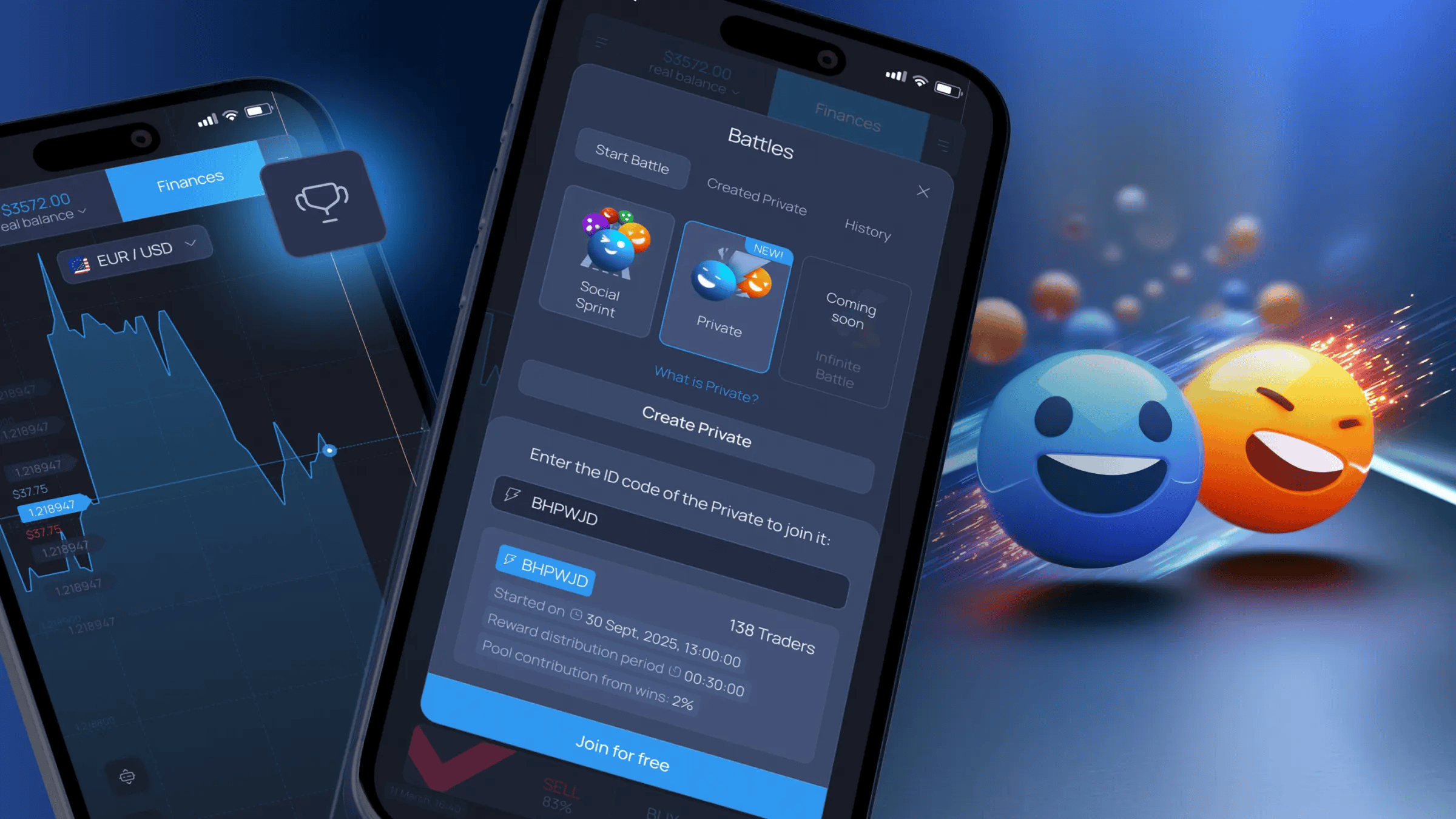
What Is a Private Trading Battle?
A private trading battle is an invitation-only session where a small group of traders participate in the same market window simultaneously. Unlike public competitions, access is restricted to participants you invite directly via a unique link or room ID.
The key distinction: every participant makes independent decisions. There are no shared signals, no visible live trades, and no group strategy. The "private" refers to who can join — not to any form of information sharing between participants.
What a private battle includes:
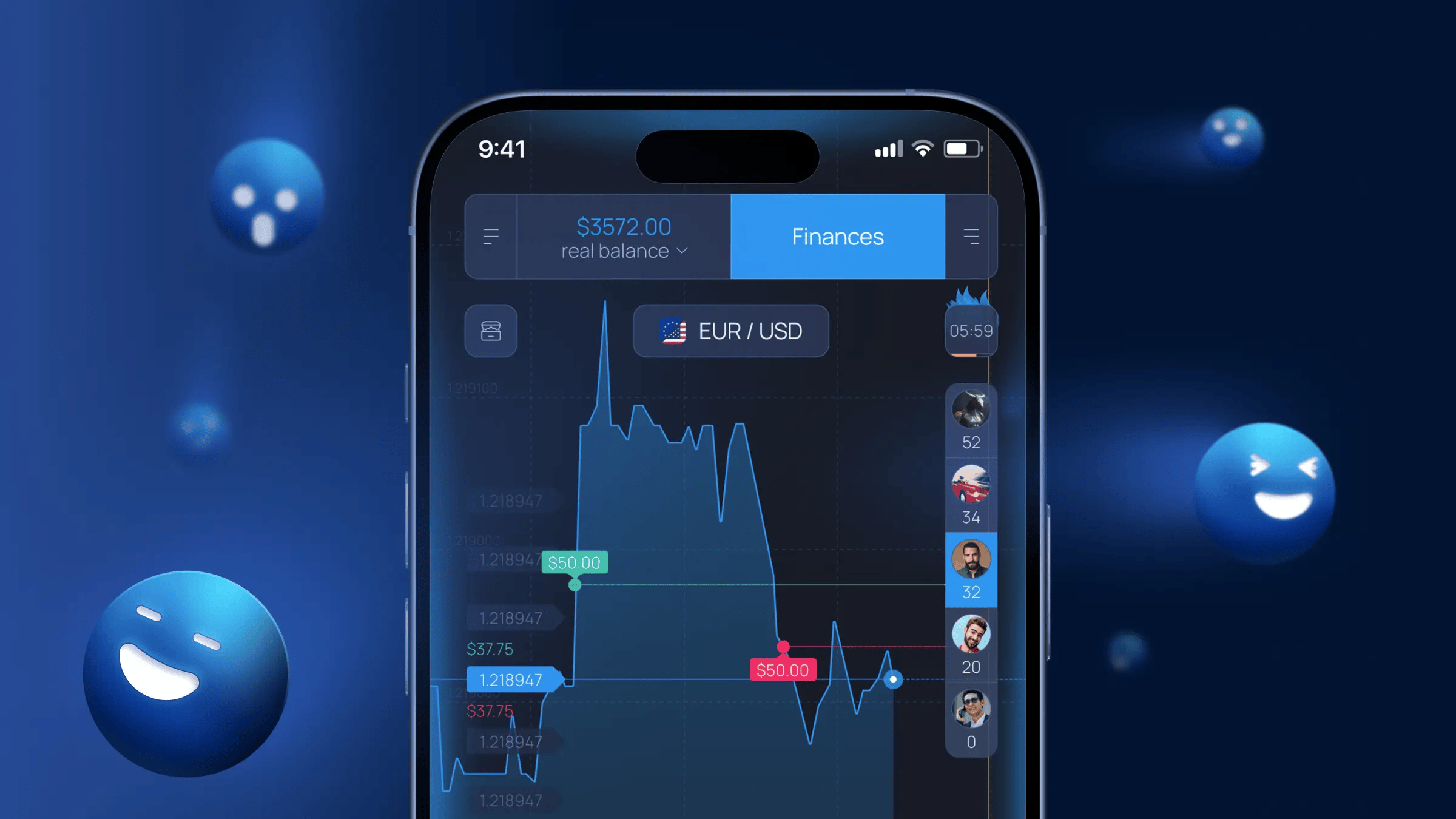
- A defined session duration with a visible countdown timer
- Invitation-based access — only users with your link can join
- Individual trading within a shared time window
- Optional re-entry depending on session settings
- Post-session visibility of results
What it does not include:
- Real-time trade copying or mirroring
- Shared strategy or signal feeds
- Public leaderboard exposure
This structure makes private battles fundamentally different from social trading or copy trading. The shared element is the market context and the time frame — not the decisions.
Who Benefits From Private Trading Battles
The format isn't equally useful for everyone. It delivers the most value in three situations:
Traders moving from demo to live accounts. Demo trading builds interface familiarity but doesn't replicate the psychological pressure of real-money decisions. A private battle with a small deposit, in a familiar group, provides a lower-stakes transition — real money, but with the social support of people you trust.
Traders stress-testing a specific strategy. A defined session window forces discipline: you either follow your entry criteria or you don't. Running the same strategy across multiple sessions creates a useful data set for evaluation.
Trading partners seeking a shared reference point. Post-session discussion is far more productive when both participants experience the same market conditions. Private battles create that shared context without requiring anyone to copy trades or reveal positions in real time.
For traders who already have consistent routines and strong discipline, private battles offer less incremental value. The format develops structure — it doesn't replace having it.
How to Set Up a Private Trading Battle on EO Broker
The technical setup takes under two minutes. The decisions that determine session quality take a little longer.
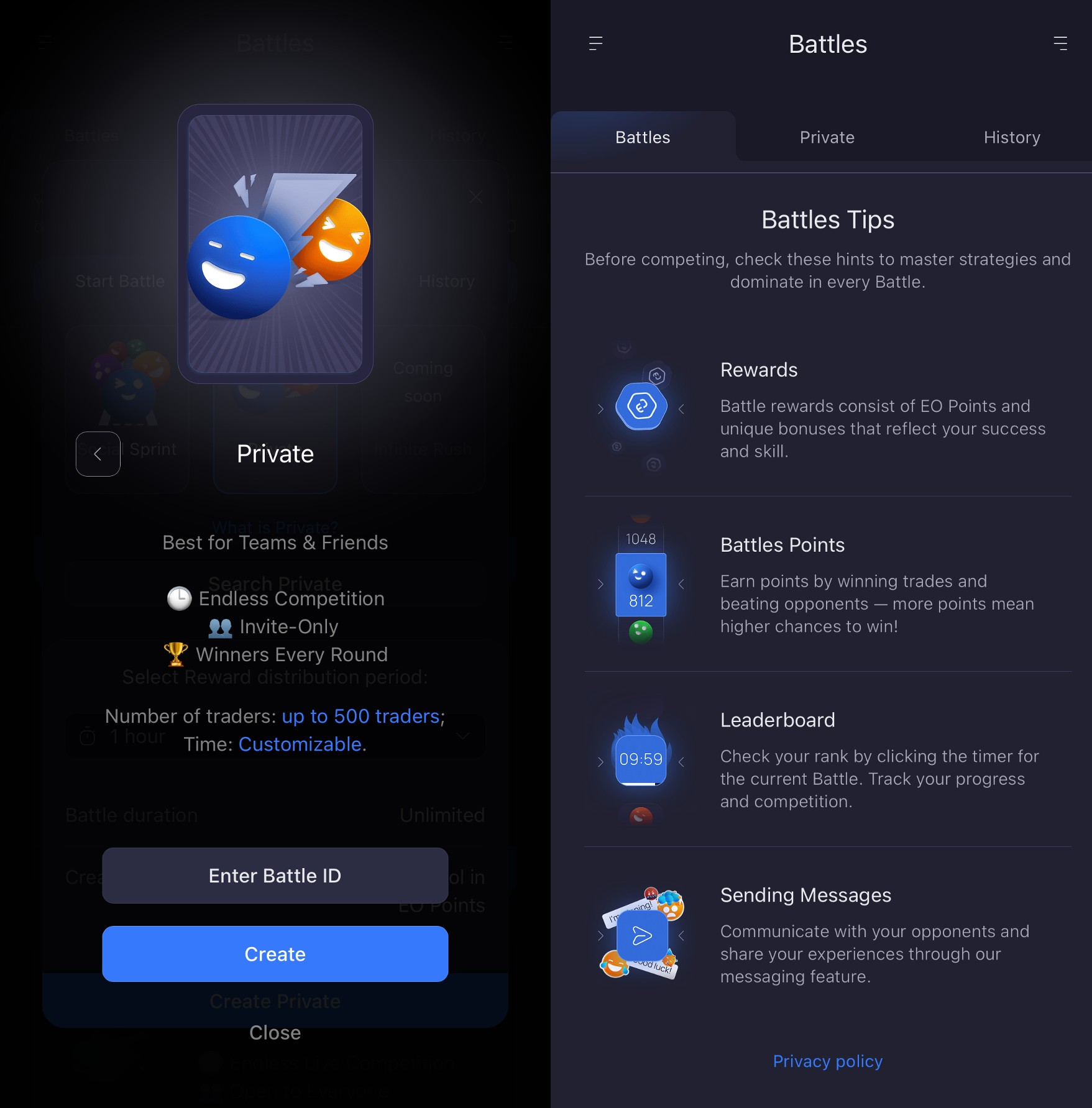
- Log in to your EO Broker account. Private battles require an active, verified account. Navigate to the social or interactive trading section of the platform.
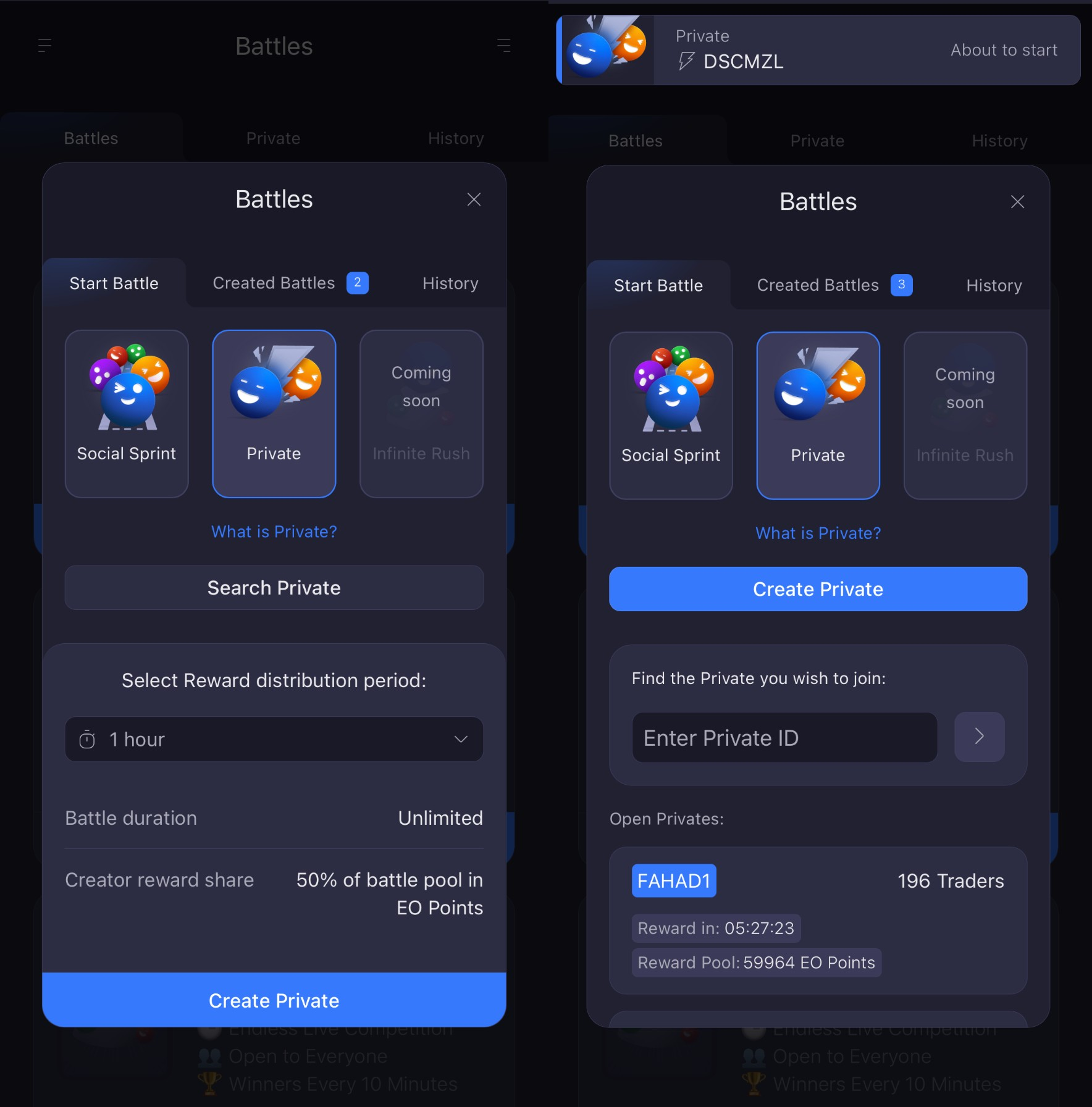
- Open the battle creation menu. Select the option to create a new private room — this is where you configure session parameters, primarily the duration.
- Set session parameters. Choose a session length appropriate to your group. Shorter sessions (20–40 minutes) tend to produce better focus than longer ones. Trader concentration degrades past 60 minutes, and late-session decisions often undermine earlier discipline.
- Confirm and generate your invite link. EO Broker generates a unique room ID and shareable link once you confirm settings. Only users with this link can enter.
- Share the link with participants. Confirm that each participant has their own trading plan ready before the session starts — not after.
- Trade independently within the session window. Once all participants join, the session runs automatically. Each trader operates on their own analysis. The shared element is the time frame and market context, not strategy.
Before the Session: The Setup Most Guides Skip
The interface steps above are straightforward. What separates productive sessions from forgettable ones is what happens before anyone clicks the invite link.
Set a specific session goal. "Let's trade together" produces unfocused sessions. "We're each going to apply our entry criteria to EUR/USD only, and discuss every decision we made afterward" produces learning. The goal doesn't need to be complex — it needs to be specific.
Agree on position size limits in advance. Group environments create implicit social pressure. Without a pre-agreed ceiling, traders tend to scale up when the session feels active. Set a maximum position size before the session and treat it as fixed.
Confirm everyone has a written entry plan. Each participant should be able to answer, in one or two sentences, what market condition would trigger a trade for them in this session. Decisions made against a plan are reviewable. Reactive decisions are not.
During the Session: Common Mistakes
Watching other participants instead of the market. In private battles, you can often sense whether others are trading even without seeing their positions. The pull to mirror activity — entering because others seem to be entering — is one of the most reliable ways to abandon a session plan.
Using the leaderboard as the objective. If the session tracks results, there's a temptation to trade for position rather than according to strategy. The moment you deviate from your plan to move up a ranking, you've stopped learning and started performing.
Extending sessions past the point of focus. Resist the instinct to keep going after your energy has dropped. A clean 30-minute session with full attention produces more useful data than a 90-minute session where the final third was reactive.
After the Session: The Review That Makes It Worth Doing
The debrief is where private battles earn their value. Without structured review, you get the experience of group trading without the learning compound effect.
A minimal effective debrief covers three questions:
What did the market do that surprised you? This identifies gaps between pre-session expectations and actual price behavior. Noting surprises consistently reveals systematic blind spots over time.
Did you follow your plan? This is a process question, not an outcome question. Whether your trades were profitable is separate from whether you followed your entry criteria. Conflating the two is one of the most reliable ways to develop bad habits.
What's one specific thing you'd adjust next time? One actionable adjustment per session, applied consistently, compounds into meaningful improvement over weeks.
For groups that want deeper review: pull up specific decision points on the chart and walk through the reasoning. What was visible at the entry? What would have caused you to pass? This kind of structured replay accelerates pattern recognition faster than solo trading logs.
Connecting Private Battles to Your Broader Trading Practice
Private battles work best as part of a structured progression, not as a standalone format.
The most effective sequence for developing traders on EO Broker:
- Demo account — build interface familiarity and test strategy logic without real-money pressure
- Private battles — develop decision discipline in a structured, time-bounded environment with trusted participants
- Solo live trading — apply the habits and entry criteria refined through group sessions
The transition between each stage is where most traders lose momentum. Private battles serve as a bridge between demo discipline and live-account independence — they introduce real-money stakes while keeping the environment supportive enough to reflect honestly on decisions.
Platform Features That Support the Format
- Mobile access — sessions are fully functional on mobile, removing scheduling friction for participants across different locations.
- Session timer — the visible countdown creates natural session boundaries and forces awareness of time allocation during trading.
- Clean interface — EO Broker's core UI doesn't front-load indicators or alerts that would add noise during a focused session.
- Demo mode for preparation — new participants can familiarize themselves with platform mechanics before joining a live session. Private battles themselves run on live accounts; demo is a preparation tool, not a session format.
FAQ
Can participants join from different countries?
Yes. Private battles are session-based and access is controlled by the invite link, not by location. Participants can join from any region where EO Broker is available.
What's the minimum group size for a private battle?
Sessions can run with two participants. Some traders use the format as a structured bilateral accountability session rather than a larger group setting — this works well for focused partner review.
Does EO Broker offer analysis tools within the battle interface?
Standard charting and analysis tools are available during sessions. The private battle format adds session structure and access control — it doesn't modify the core analysis toolkit.
Can sessions be restarted or run back-to-back?
Hosts can create a new session with the same group after one ends. Running 2–3 shorter sessions in sequence often maintains focus better than a single extended one.
Are private battles available on demo accounts?
No. Private battles run on live accounts. Demo mode is available separately for practice and platform familiarization before joining a live session.
What happens to open trades if a participant disconnects mid-session?
Open trades remain active according to their existing parameters. Participants can rejoin via the same invite link if the session is still running.
How does EO Broker's private battle format compare to public competitions?
Public competitions on EO Broker are open to all platform users and typically involve a visible leaderboard. Private battles are invitation-only, have no public exposure, and are designed for focused group practice rather than competitive ranking.
EO Broker provides access to financial markets. Trading involves risk. Only trade with funds you can afford to lose.
Latest Posts
Trading Education
Trading News
Trading Strategies
Promotions & Tournaments
Success Stories & Tips
Platform Updates
Global events, stocks, crypto, forex