



 10 minutes to read
2026-04-24
Hassan Abbas
Global Market Trends 2026: What You Should Prepare For
The year 2026 is shaping up to be a defining period for the global financial landscape. After several years of economic adjustments, technological acceleration, and shifting geopolitical dynamics, markets are entering a phase where clarity and adaptability matter more than ever.
For traders, especially beginners, this environment may feel complex at first glance. For example, interest rate expectations, inflation reports, and changes in economic sectors often occur simultaneously, creating informational noise for newcomers. Yet, when broken down into simple components, the key drivers behind market movements become much easier to understand and follow.
This article provides a clear and practical overview of global market trends 2026, helping you navigate uncertainty with confidence. Instead of overwhelming details, the focus is on simplified insights, real-world examples, and structured thinking that can support smarter decision-making across different market conditions.
Why Understanding Market Simplicity Matters in 2026
Modern markets move quickly, and information flows faster than ever. In 2026, traders receive roughly three times more macroeconomic data per week than in 2020, driven by faster reporting cycles and AI-powered analytics. Traders are exposed to endless charts, forecasts, and opinions, which can lead to confusion rather than clarity.
A simplified view of economic trends 2026 allows traders to focus on what truly matters. Core indicators such as inflation direction, interest rate expectations, and global demand trends often explain the majority of price movements. When these are understood clearly, the need to rely on complex tools decreases.
During volatile periods, simplicity becomes even more valuable. When central banks pause interest rate hikes, stock markets often stabilize, and bond yields decline — a pattern that is relatively easy for beginners to recognize. Understanding these connections helps traders interpret market movements more confidently instead of reacting emotionally to short-term noise.
A structured approach also reduces common mistakes. Many beginners overanalyze short-term fluctuations without understanding the broader context. By focusing on long-term trends and key drivers, traders can develop a more stable perspective.
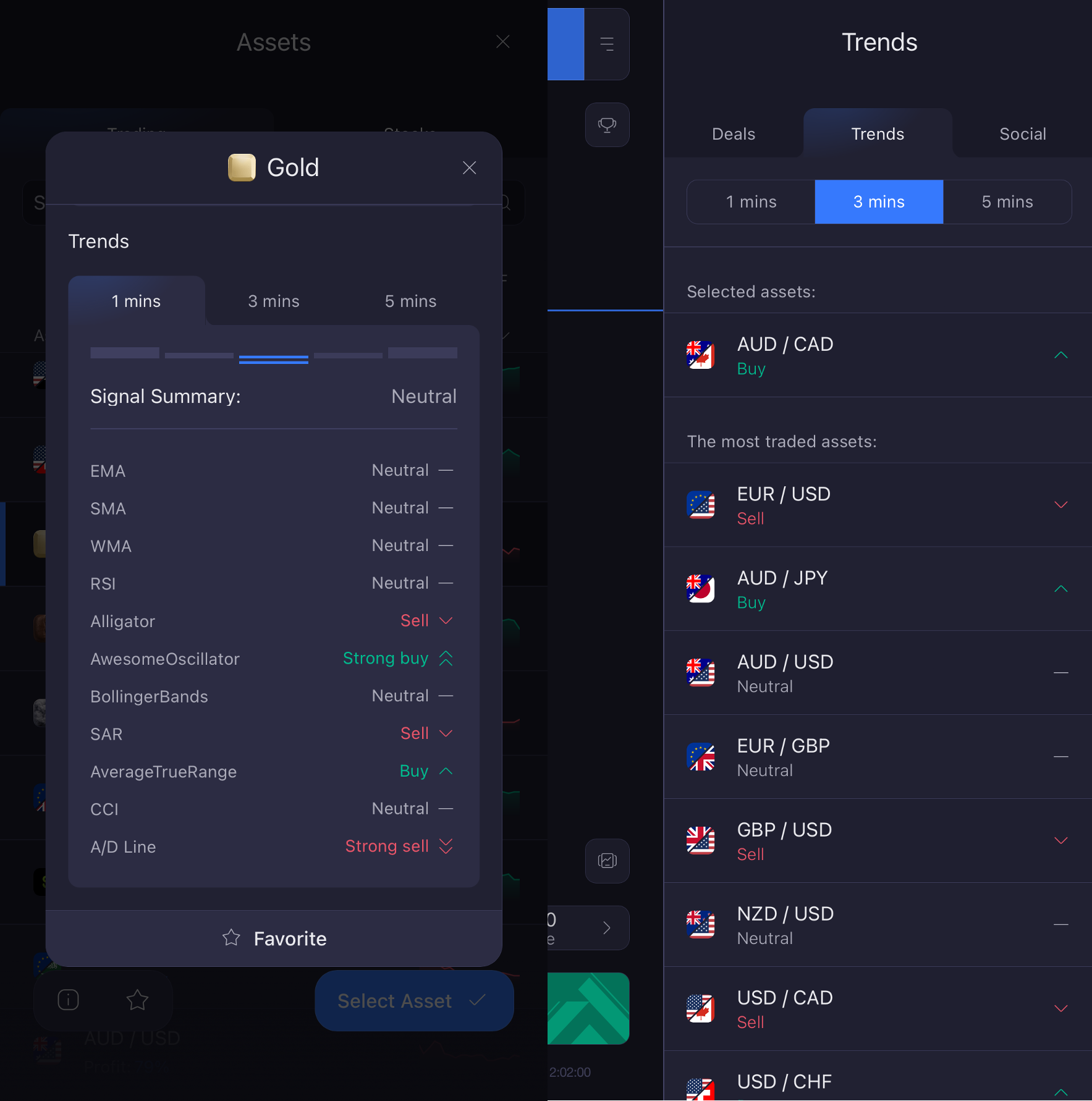
User-friendly platforms and simplified dashboards further support this process. Clear visuals, summarized indicators, and intuitive layouts help traders stay focused on relevant data instead of getting lost in unnecessary complexity. Dashboards that combine inflation, interest rates, and exchange rates into a single view also help reduce overanalysis and make it easier to see how different factors interact.
Breaking Down Key Global Market Trends for 2026
Understanding the financial market outlook 2026 requires looking at several major forces shaping global markets. These include macroeconomic changes, technological innovation, and geopolitical developments.
1. Interest Rate Cycles and Inflation Stabilization
After years of aggressive rate adjustments, many economies are expected to move toward stabilization. Inflation trends are gradually becoming more predictable, although regional differences remain. Interest rates in the U.S. are likely to stay relatively steady, while inflation in the EU is expected to ease at a slower pace.
For traders, this creates opportunities to observe how markets transition from uncertainty to relative balance. Equity markets, bonds, and currencies often respond differently during this phase.
A simple scenario: when interest rates stabilize, stock markets may show more consistent trends, while currency volatility could decrease. For example, when interest rates stay unchanged for two to three quarters, growth stocks often begin to build momentum.
2. Technology Impact on Markets
The technology impact on markets continues to expand in 2026. Artificial intelligence, automation, and digital infrastructure are influencing both company performance and investor behavior.
Tech-driven sectors are not the only ones affected. Traditional industries are also evolving through digital transformation. This creates new patterns in sector performance forecasts, where innovation becomes a key factor in long-term growth.
For traders, this trend highlights the importance of observing how industries adapt rather than focusing only on short-term price movements.
3. Emerging Markets Outlook
The emerging markets outlook remains an important part of the global economy analysis. Many developing economies are experiencing growth driven by population expansion, urbanization, and increased digital adoption.
These markets may offer new opportunities, but they can also introduce higher volatility. Currency fluctuations, local policies, and global demand shifts all play a role.
A practical example: a growing economy may attract investment, leading to stronger stock market performance, while external pressures could still cause short-term instability.
4. Energy Transition and Commodity Shifts
The global focus on energy transition continues to reshape commodity markets. Renewable energy, resource efficiency, and evolving supply chains are influencing prices and demand.
This trend affects not only energy-related assets but also industries connected to production and infrastructure. Traders observing commodities in 2026 may notice more dynamic relationships between traditional and emerging energy sources. For example, the development of renewable energy sources often leads to an increased demand for copper, which affects the shares of mining companies.
5. Geopolitical Influence on Markets
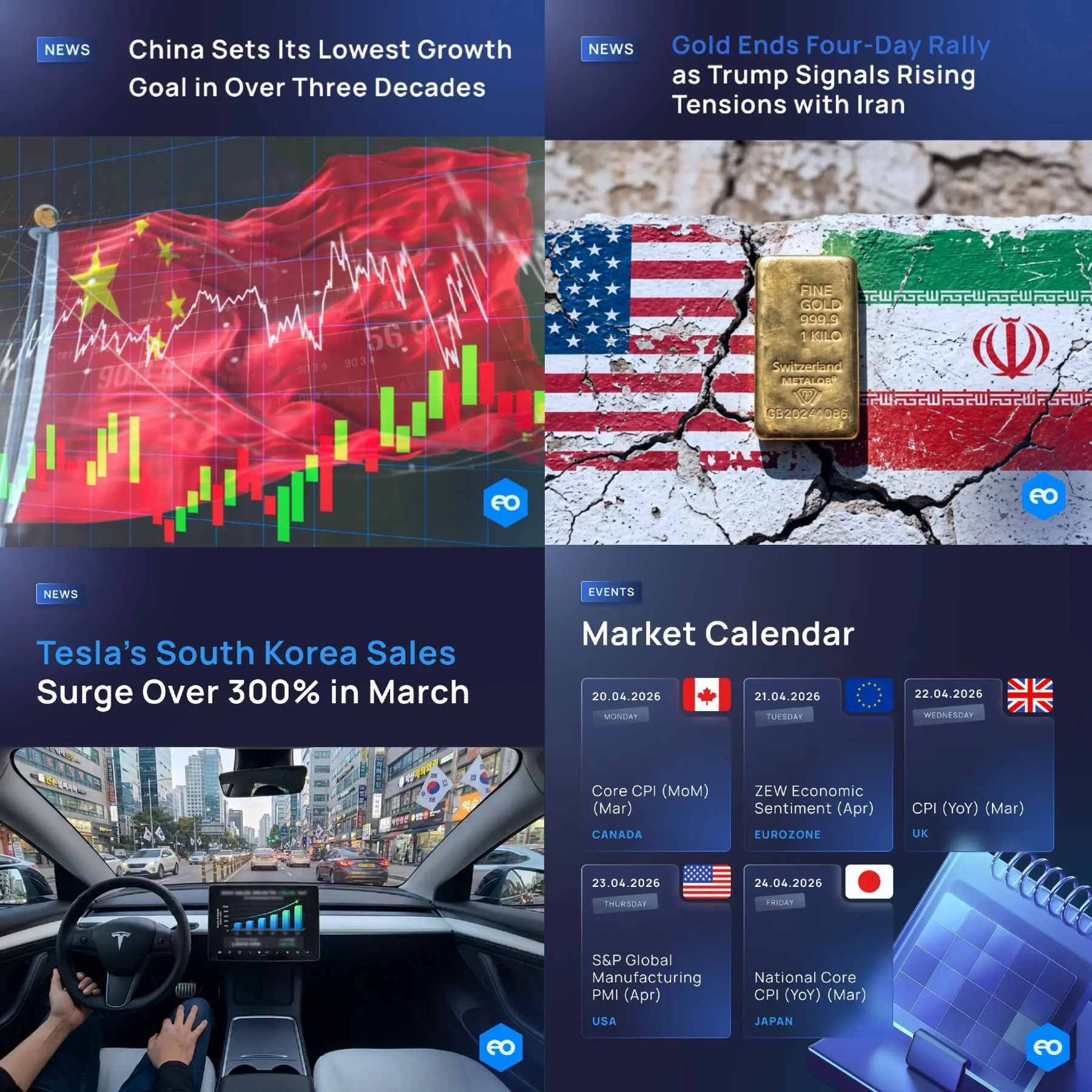
Geopolitical developments remain a key factor in the market forecast 2026. Trade relationships, regional conflicts, and policy changes can influence investor sentiment and market direction.
While these events may seem unpredictable, their impact often follows recognizable patterns. Markets tend to react quickly to uncertainty and gradually stabilize as clarity improves.
Understanding this behavior helps traders avoid emotional decisions during periods of sudden change.
Why an Intuitive Market Overview Changes Everything
An intuitive approach to market analysis can significantly improve how traders interpret global signals.
Clear comparisons between sectors help identify where momentum is building. For instance, if technology stocks are rising while traditional industries remain stable, this may indicate a shifting investor focus.
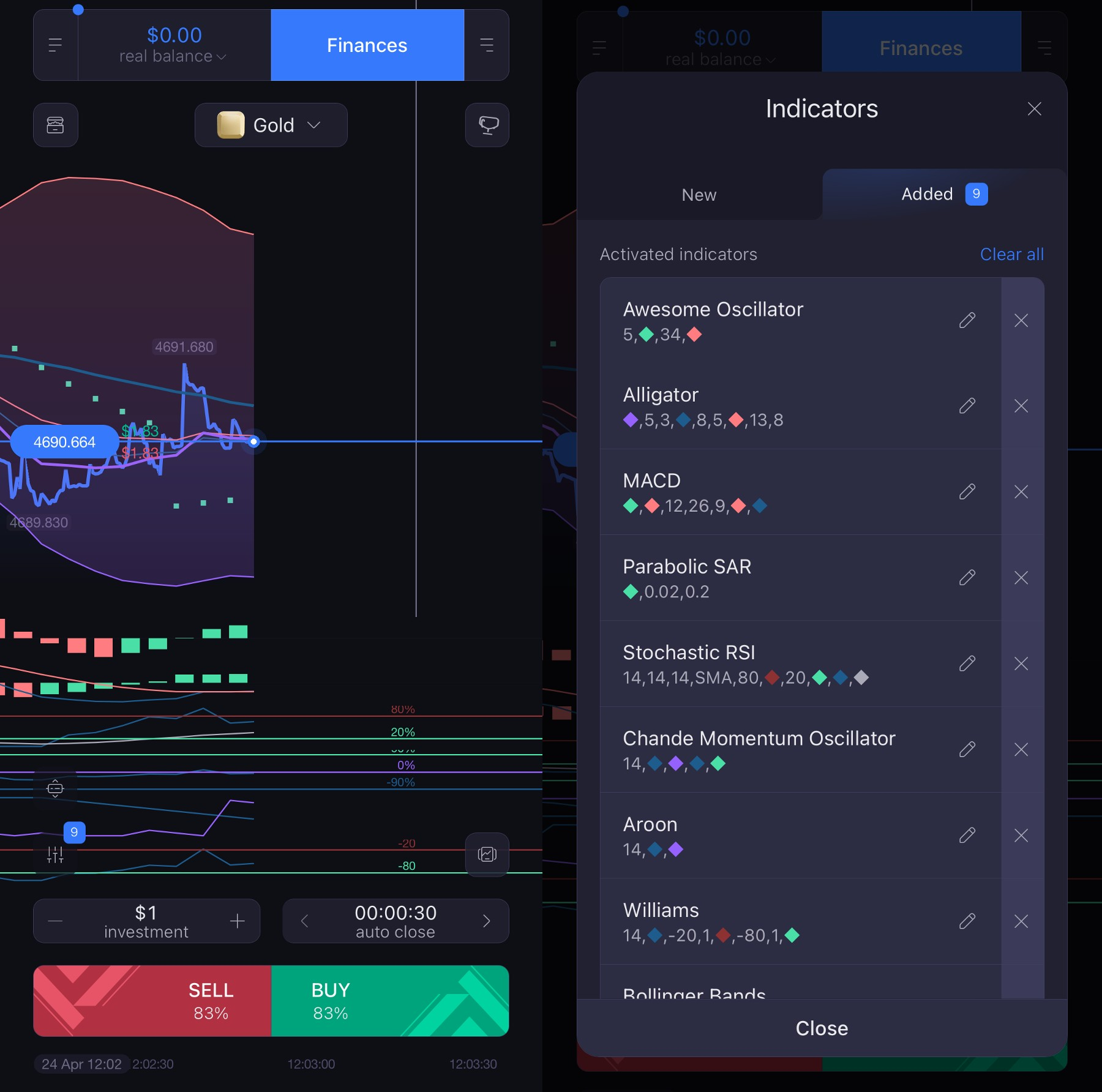
Misinterpretation often happens when data appears contradictory. Simplified dashboards and structured summaries reduce this risk by presenting information in a consistent format. For example, a drop in inflation alongside rising unemployment can feel contradictory for beginners and make market signals harder to interpret.
Another important benefit is avoiding unnecessary stress. When charts and indicators are easy to understand, traders can focus on strategy rather than decoding complex visuals.
Confidence grows when information is presented clearly. Instead of second-guessing decisions, traders can rely on a structured view of the market environment.
Key Benefits of Understanding 2026 Market Trends
Developing a clear understanding of investment trends 2026 brings several practical advantages:
- A smoother introduction to global economic expectations
- Improved ability to recognize long-term patterns
- More structured analysis of market movements
- Greater confidence during periods of volatility
These benefits are especially valuable for beginners. Instead of reacting to every price movement, traders can build a broader perspective and make more balanced decisions. Day traders can better recognize volatility cycles, while long-term investors develop a clearer understanding of the broader macroeconomic environment.
Who Should Follow This Guide
This guide is designed for a wide range of market participants, particularly those who are still developing their understanding of global trends.
It is especially useful for beginners who feel overwhelmed by the volume of financial information available today. Simplified explanations and structured insights make it easier to build confidence step by step.
Affiliate marketers and social media audiences can also benefit from a clearer understanding of market dynamics. This knowledge helps in communicating ideas more effectively and building trust with their communities.
Anyone looking for a more structured approach to the global economy analysis will find value in focusing on key trends rather than scattered data points.
Common Mistakes to Avoid
Even with access to information, traders can face challenges when preparing for the financial market outlook 2026.
Here are some common pitfalls to watch out for:
- Relying on overly complex analytics too early
- Ignoring simple indicators that provide clear signals
- Making decisions without understanding broader economic trends
A balanced approach works best. Starting with simple concepts and gradually expanding knowledge helps create a stronger foundation.
For example, instead of analyzing dozens of indicators, a trader might begin with just a few key metrics such as inflation trends and interest rates. Over time, additional tools can be added without creating confusion.
FAQ
What are the most important global market trends 2026 to watch?
The most relevant trends include interest rate stabilization, technological innovation, emerging market growth, energy transition, and geopolitical developments. Each of these influences different asset classes and shapes overall market behavior.
How can beginners understand the financial market outlook 2026?
Start with core concepts such as inflation, interest rates, and global demand. Focus on how these factors interact rather than trying to analyze every detail. Simplified resources and structured learning can make the process more manageable.
What risks should traders be aware of in 2026?
Volatility linked to geopolitical events, unexpected economic shifts, and rapid technological changes is a key risk. Understanding how markets typically react to these factors helps reduce uncertainty.
How does technology impact trading strategies in 2026?
Technology improves access to data, speeds up analysis, and introduces new market opportunities. Traders can benefit from faster insights, but it remains important to maintain a clear and structured approach.
What are some practical portfolio preparation tips for 2026?
Focus on diversification, stay informed about global trends, and avoid overcomplicating strategies. A balanced approach helps manage uncertainty while allowing flexibility as market conditions evolve.
Conclusion
The global market trends 2026 highlight a year shaped by transition, adaptation, and opportunity. While the financial landscape continues to evolve, understanding its core drivers makes it far more approachable.
By focusing on simplified insights, traders can reduce confusion and build confidence in their decisions. A clear view of the market forecast 2026 supports better preparation and a more structured approach to navigating change.
Collaborative environments, such as private trading communities or discussion groups, can further enhance this process. Sharing perspectives, observing different strategies, and learning from others helps create a safer and more informed trading experience.
As markets continue to develop, clarity remains one of the most valuable tools a trader can have. With the right mindset and a structured understanding of economic trends 2026, navigating global markets becomes a more manageable and engaging journey.
To prepare for 2026, it helps to focus on a few key areas: tracking inflation and interest rates, watching shifts across major economic sectors, and staying aware of geopolitical risk signals that can influence market sentiment.
Latest Posts
Trading Education
Trading News
Trading Strategies
Promotions & Tournaments
Success Stories & Tips
Platform Updates
Global events, stocks, crypto, forex