



 10 minutes to read
2026-07-01
Hassan Abbas
Risk Management on EO Broker: How to Protect Your Capital in 2026
Most traders think their biggest problem is finding the right setup. In reality, the real damage usually comes later — when the trade is already open and risk starts to get out of control.
You can be right about direction and still lose money. You can even have a decent win rate and end up in drawdown if your losses are too large or your position size is too aggressive. That is why risk management is not a side topic in trading. It is the part that decides whether your account survives long enough for your strategy to work.
This guide breaks down the core risk management habits every trader should use on EO Broker. The goal is simple: protect capital first, trade second.
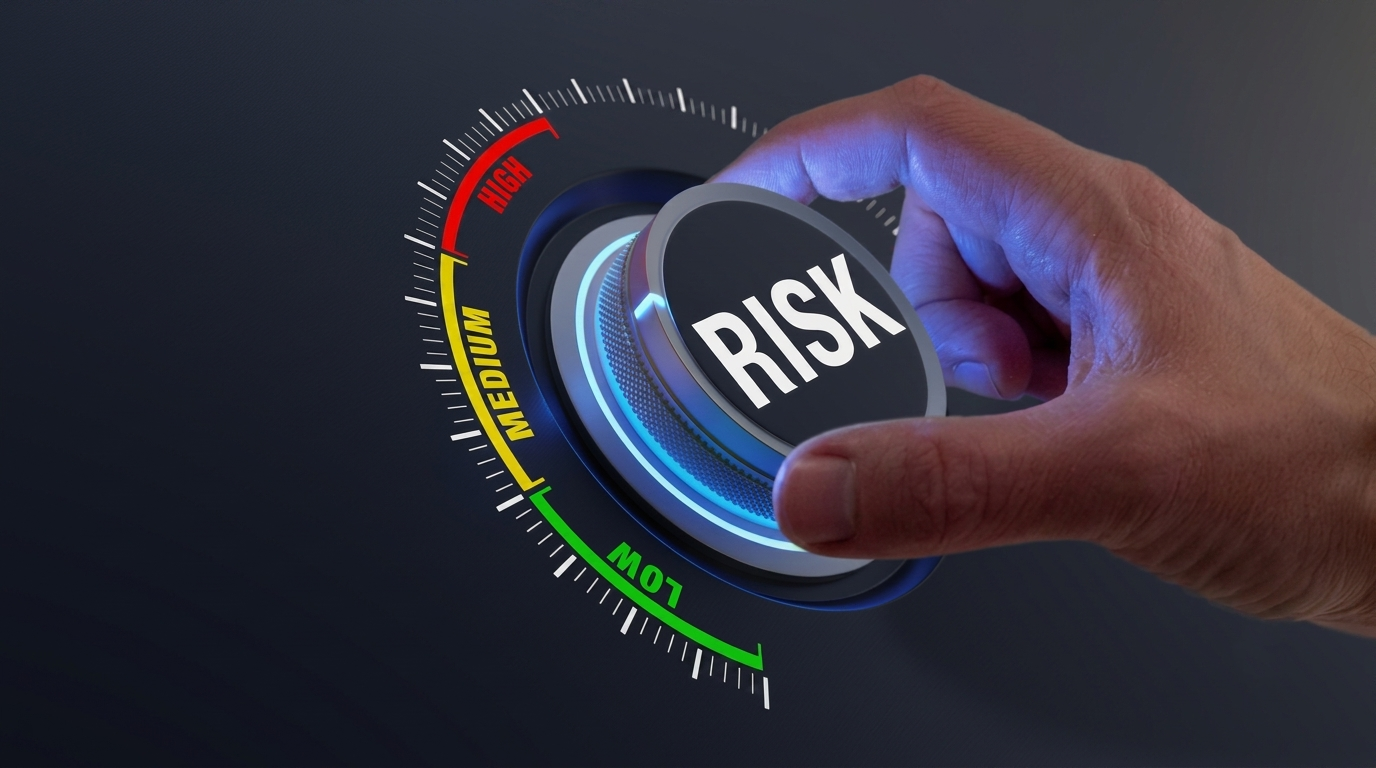
Why risk matters more than being right
A lot of traders focus on accuracy. They want to know whether the market will go up or down, and they treat every trade like a prediction contest. But trading is not only about being right. It is about making sure that when you are wrong, the loss is small enough to recover from.
That is where expectancy comes in. A trader does not need to win most trades to be profitable. What matters is the balance between win rate, average profit, and average loss.
For example, a trader who wins only 40% of the time can still make money if profitable trades are much larger than losing ones. On the other hand, someone who wins more often can still lose overall if their losses are too big. That is why risk management sits above entry timing and market prediction.
Start with position size
If there is one rule to take seriously, it is this: never risk too much on one trade.
A common approach is to risk no more than 1% to 2% of your account on a single position. That does not mean the position itself should only be 1% or 2% of your balance. It means the amount you can lose if the stop-loss is hit should stay within that range.
This matters because small losses are manageable, while large losses compound fast. A few bad trades should not damage your account so much that you are forced to abandon your plan. When traders oversize positions, they often stop thinking clearly. Every tick feels personal. Every loss feels urgent. That is usually the point where discipline starts to break down.
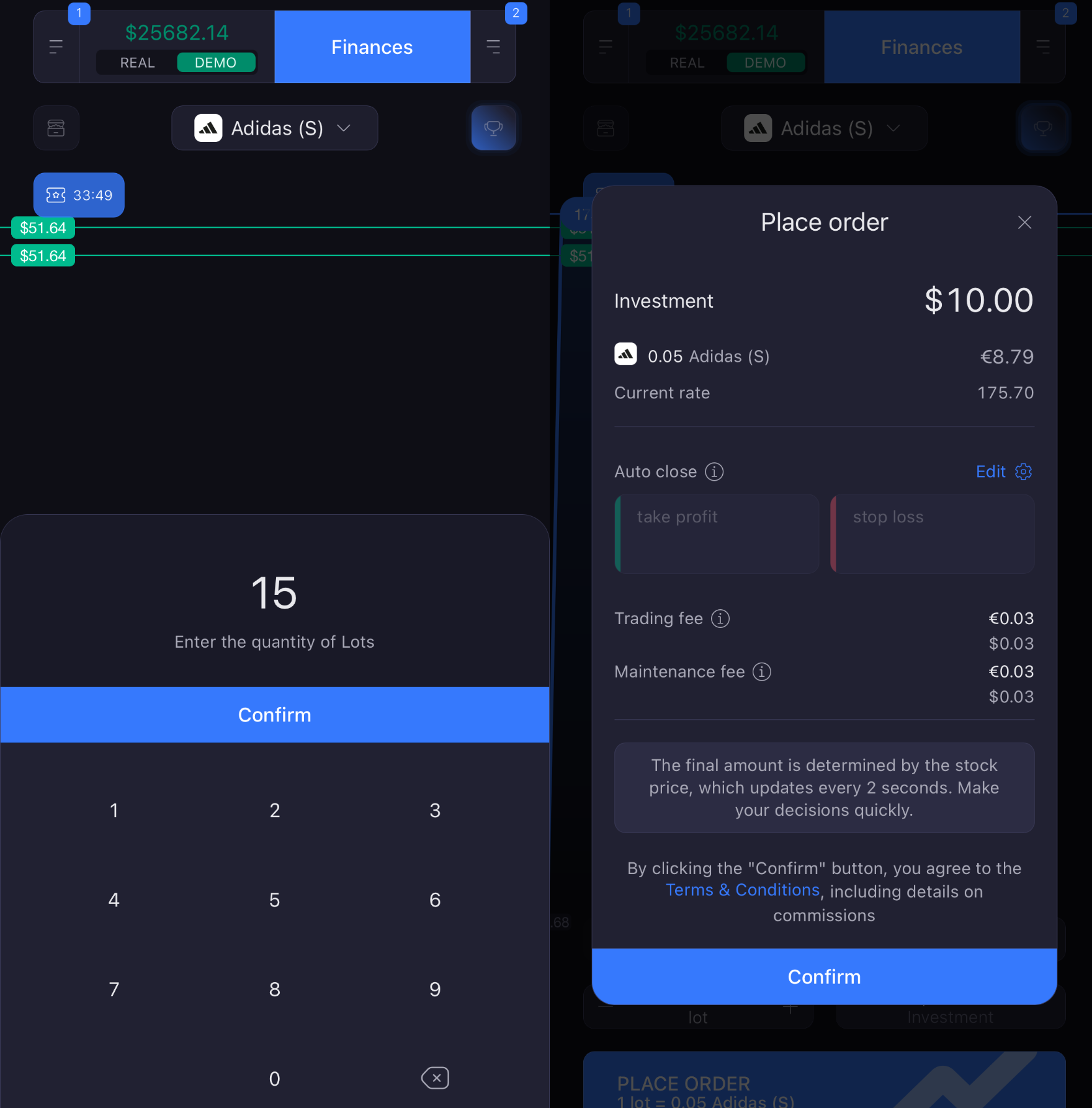
On EO Broker, the right approach is to calculate risk before entry, not after. Decide how much of the account you are willing to lose, define your stop, and let the position size follow from that.
Place stops where your strategy fails
A stop-loss should not be placed just because it “feels close enough.” It should be placed at a level where your trade idea is no longer valid.
If you are buying after a bounce from support, the stop belongs below the support zone. If price breaks that level, the market is telling you the setup no longer holds. The stop is there to protect you from staying in a trade that is no longer doing what you expected.
The biggest mistake is to treat a stop-loss like a pain threshold. Many traders place stops based on how much loss they personally dislike, not on where the chart says the idea is wrong. That almost always leads to poor exits and unnecessary frustration.
Another common mistake is moving the stop farther away once the trade starts moving against you. That is not risk management. That is hope management. If the original setup is no longer valid, the correct action is usually to exit and reassess.
Use a realistic risk-to-reward ratio
Every trade should have a reason to exist, and part of that reason is the reward potential relative to the risk.
If you risk one unit, you should usually look for at least 1.5 units of potential reward, and preferably 2 units or more. That does not mean every trade must hit the full target. It means the setup should offer enough room to justify the risk in the first place.
This is where many traders weaken their own system. They take trades with limited upside simply because the chart looks “almost good enough.” Over time, that habit creates a portfolio of average losses and small wins, which is not a healthy trading structure.
A better approach is to target the next meaningful support or resistance zone, rather than chasing a precise number. Good targets are usually based on structure, not hope.
Protect yourself from losing streaks
Even good traders go through losing streaks. That is normal. What separates disciplined traders from emotional ones is how they behave when losses start to stack up.
A practical way to stay safe is to set a daily loss limit and a weekly loss limit. Once the limit is hit, trading stops. No revenge trades. No “one more try.” No doubling down to get the day back.
This rule is important because most serious account damage does not come from one bad trade. It comes from the second, third, and fourth emotional trade after the first loss. Once frustration enters the process, judgment usually gets worse.
If you have a losing day, the right response is to step back, review the trades, and check whether you followed your rules. If the losses were part of the normal statistical range, move on. If you broke your own process, fix that before you trade again.
Build a pre-trade checklist
Good risk management is easier when it becomes routine. Before each session, take a minute to answer a few simple questions:
- What is my current account balance?
- How much am I willing to risk on this trade?
- Where is my stop-loss?
- What is my daily loss limit?
- What market events could affect this session?
- Does this setup still make sense if the price reaches my invalidation level?
This kind of checklist takes less than two minutes, but it can save you from expensive emotional decisions. It shifts risk management from theory into habit.

A trader’s real job
Trading success is often presented as a search for the perfect setup. In reality, the more important skill is staying in the game.
You do not need to avoid losses completely. You need to keep losses controlled, consistent, and small enough that your edge has time to work. That is what risk management does. It gives your strategy room to breathe.
If you want to build long-term discipline on EO Broker, start by thinking less about how much you can make on the next trade and more about how much you can afford to lose. That mindset is usually what separates traders who last from traders who burn out.
FAQ
How much should I risk per trade?
A common approach is 1% to 2% of account equity per trade. That keeps individual losses small enough to absorb without putting the account under pressure.
Should I always use a stop-loss?
In most cases, yes. A stop-loss protects you from letting one trade turn into a major problem.
Is leverage useful?
Yes, but only when it is controlled. Leverage should help you size trades correctly, not tempt you into overexposure.
What is the biggest risk management mistake?
Oversizing a position and then refusing to accept the loss when the market proves you wrong.
Latest Posts
Trading Education
Trading News
Trading Strategies
Promotions & Tournaments
Success Stories & Tips
Platform Updates
Global events, stocks, crypto, forex